
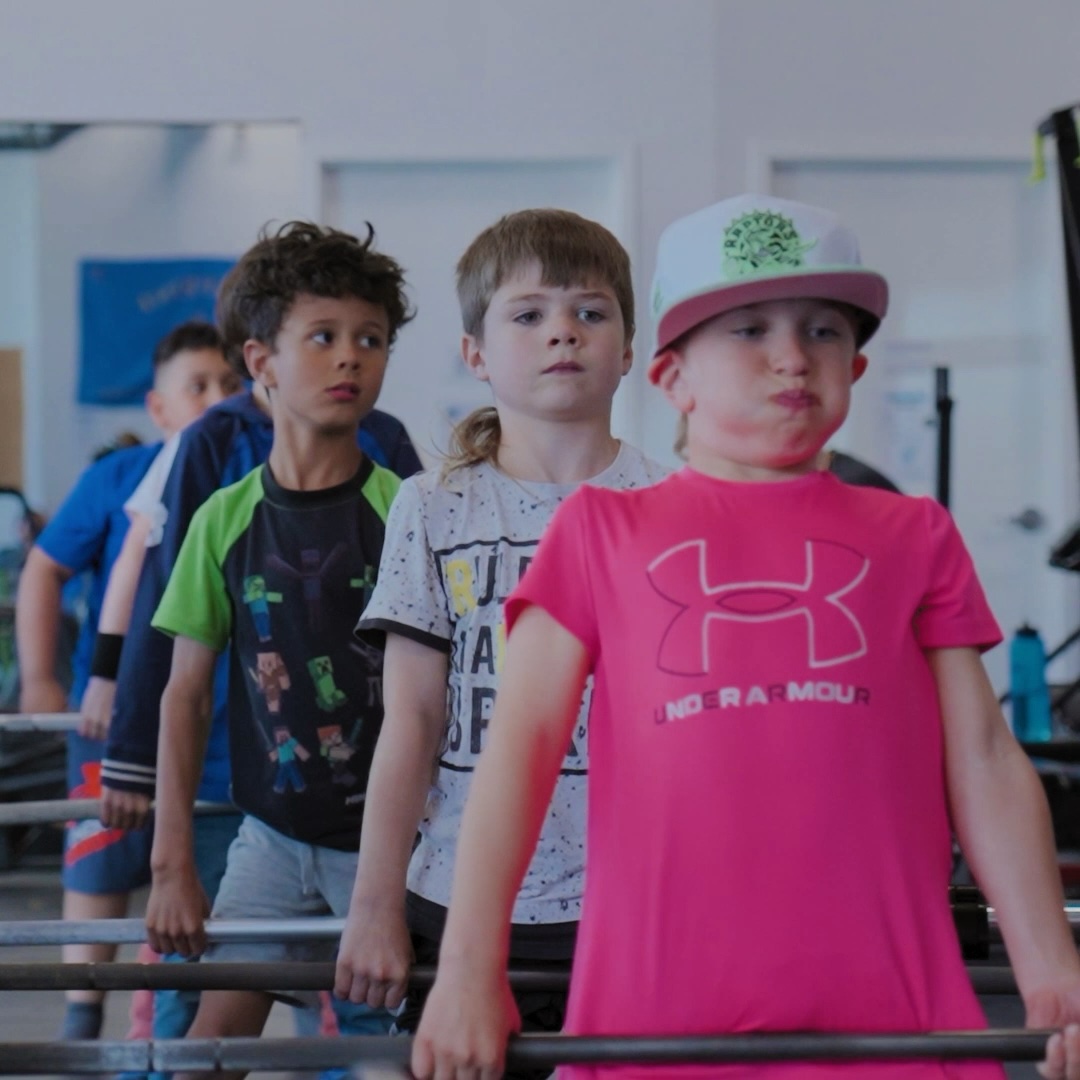
Youth athletic development has undergone a massive paradigm shift. As of 2026, leading pediatric and sports medicine organizations universally endorse structured strength training for children and adolescents. Driven by the need to combat rising youth sports injury rates and sedentary lifestyles, evidence-based resistance programs have replaced outdated misconceptions. Rather than limiting potential, these supervised programs build the foundation for lifelong physical literacy, bone health, and athletic confidence.
What is Youth Resistance Training?
Youth resistance training is a structured conditioning approach designed to improve muscular strength, motor control, and biomechanical efficiency in children and adolescents. Unlike adult programs that often target muscle hypertrophy (visual bulk), pediatric strength conditioning focuses primarily on neuromuscular adaptations.
According to clinical reports from the American Academy of Pediatrics (AAP), strength gains in pre-pubertal children are driven by increased motor unit recruitment, firing frequency, and neural synchronization. This means young athletes learn to move their bodies with greater precision, spatial awareness, and balance, accelerating their physical competence without placing undue strain on their developing endocrine systems.
Is Strength Training Safe for Children?
Yes, supervised strength training is inherently safe and clinically recommended for youth. The outdated myth that lifting weights damages growth plates or stunts linear growth originated from flawed 20th-century observational data of unsupervised adolescent manual labor. Modern clinical evidence has thoroughly refuted this.
Reviews published in Sports Health and the HSS Journal confirm there is no evidence that age-appropriate resistance training damages epiphyseal plates (growth plates). In fact, the mechanical forces a child’s skeletal system absorbs during routine free play or sports like soccer and gymnastics—often up to seven times their body weight upon landing—far exceed the controlled, predictable loads experienced in supervised introductory lifting programs.
What Are the Core Health Benefits of Youth Movement Programs?
Structured physical development programs provide critical physiological and psychological advantages that extend far beyond the playing field.
1. Significant Sports Injury Reduction
Modern youth face high risks of overuse injuries due to early single-sport specialization. A systematic review in Sports Health demonstrates that integrative resistance and neuromuscular training can reduce youth sports injuries by up to 68%. By strengthening connective tissues like tendons and ligaments, youth athletes develop enhanced joint stability and correct bilateral asymmetries before they lead to acute injuries.
2. Peak Bone Mineral Density Accumulation
Adolescence is a time-sensitive window for bone mineralization. Research in Physiologia highlights that pubertal and pre-pubertal years are the most sensitive periods for accumulating peak bone mass (PBM). Up to 90% of a human’s peak bone mass is acquired by age 18 in females and age 20 in males. Multi-planar resistance and controlled impact exercises provide the osteogenic stimulation necessary to protect against osteoporosis and fractures later in life.
3. Athletic Confidence and Body Awareness
Mastering foundational motor skills—such as a proper bodyweight squat, a hip hinge, or a controlled plyometric landing—builds profound self-efficacy. In non-competitive, mastery-oriented environments, exercise anxiety decreases while intrinsic motivation grows, giving children the psychological resilience to navigate both athletic pursuits and daily life.
How Does the Forge Kids Lift Lab Structure Youth Development?
Translating clinical recommendations into engaging, practical applications requires a specialized environment. At Forge Training, a locally owned boutique facility in downtown Victoria, the Kids Lift Lab program demystifies youth resistance training by providing expertly supervised group workout classes tailored to pediatric physical literacy.
Following guidelines endorsed by the National Strength and Conditioning Association (NSCA), the program utilizes a phased Long-Term Athletic Development (LTAD) architecture:
-
Level 1: Foundations (Ages 5-9): Prioritizes bodyweight mastery, balance, deceleration, and spatial awareness using resistance bands, light medicine balls, and gamified movement challenges.
-
Level 2: Builders (Ages 9-12): Introduces core biomechanical patterns including squat, hinge, push, pull, and carry mechanics. Equipment expands to include kettlebells, light dumbbells, and technique barbells.
By running these youth sessions concurrently with adult fitness classes, Forge transforms the traditional, intimidating lifters-only space into a highly inclusive, multi-generational gym community. This model not only supports young athletes cross-training for local soccer, rugby, or track programs, but also instills positive associations with fitness from an early age.
How to Safely Introduce Your Child to Resistance Training
For parents looking to integrate their children into structured conditioning, following a stepwise approach ensures both safety and long-term engagement.
Step 1: Prioritize Certified Supervision
Seek out facilities that maintain strict coach-to-youth ratios (ideally between 1:8 and 1:10). Direct supervision from certified professionals ensures that young athletes receive individualized, real-time feedback on their biomechanics.
Step 2: Focus on “Training Age” Over Chronological Age
Curricular progressions should be assigned based on a child’s movement competency rather than their date of birth. A 14-year-old with no lifting experience (a training age of zero) should begin with the same foundational bodyweight mechanics as an 11-year-old before progressing to loaded movements.
Step 3: Emphasize Gamification and Fun
Youth programs must not be watered-down adult workouts. Successful classes incorporate dynamic warm-ups, obstacle-based agility drills, and cooperative partner exercises. This maintains high psychological engagement and prevents burnout while teaching fundamental movement skills.
Building a Foundation for Lifelong Wellness
Medical and athletic consensus is clear: when appropriately prescribed and supervised, resistance training offers unique health benefits unattainable through aerobic free play alone. By shifting the focus from how much weight a young athlete can lift to how well they understand and control their bodies, youth movement programs build physical resilience that lasts a lifetime. About Forge and its Kids Lift Lab showcase how early integration into a supportive strength culture creates capable, confident kids ready for whatever challenges come their way.